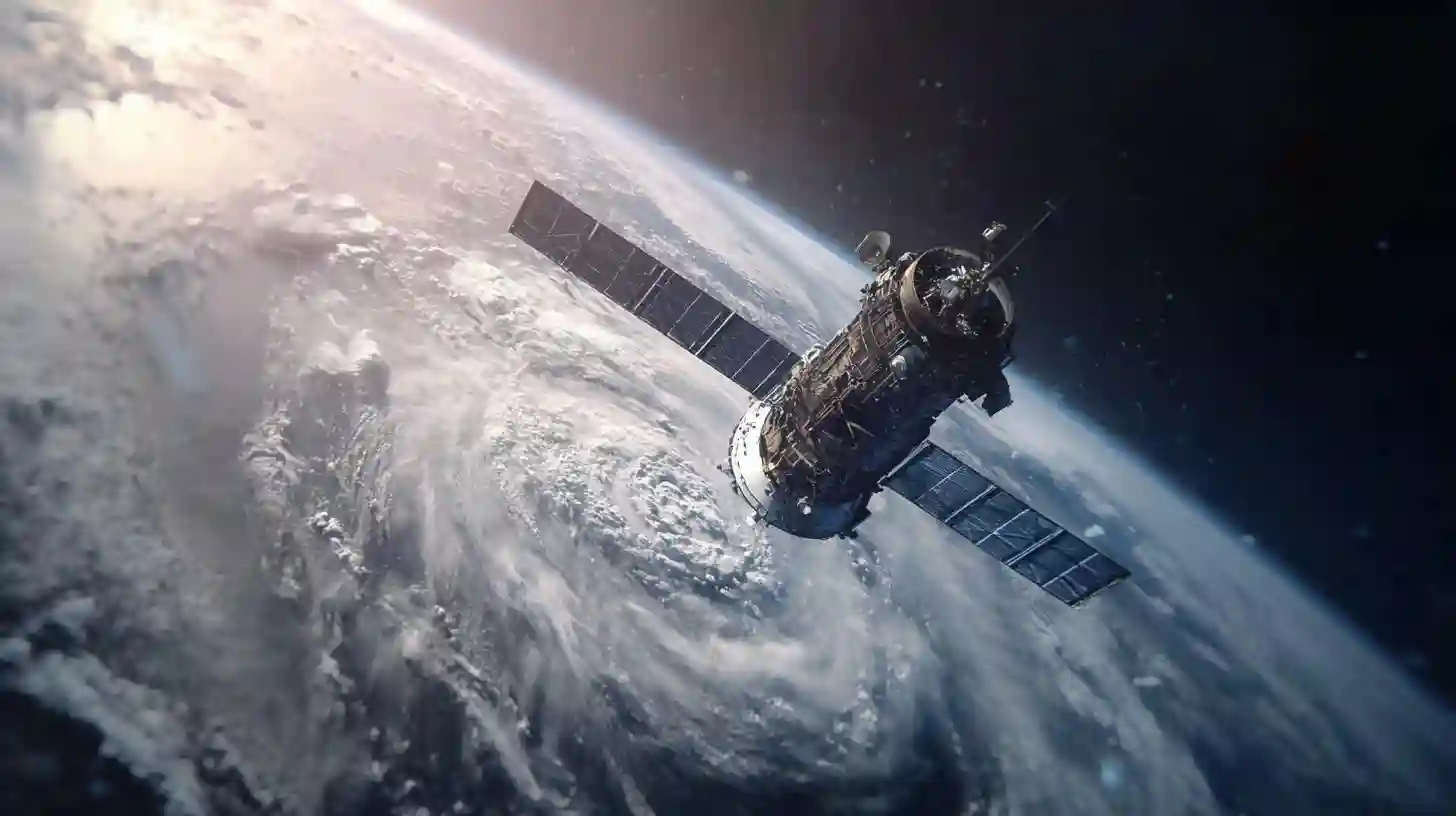
The realm of space has become increasingly congested and contested, presenting new challenges for maintaining security and stability. The proliferation of satellites, including commercial, scientific, and military assets, has intensified the complexity of monitoring activities and preventing collisions. Each satellite added to orbit contributes to the difficulty of maintaining situational awareness and ensuring that critical systems remain operational. The risk of debris from previous missions or collisions further complicates these dynamics, as even small fragments can cause catastrophic damage to functioning spacecraft, affecting communications, navigation, and scientific research.
Emerging threats also stem from the development of advanced anti-satellite technologies. Nations are investing in capabilities that can disrupt, disable, or destroy satellites, potentially impacting both civilian and military infrastructure. Cyberattacks targeting satellite systems are another dimension of vulnerability, where malicious actors can interfere with control signals, manipulate data, or even hijack critical space assets. The interdependence of space-based systems with terrestrial infrastructure amplifies the consequences of such attacks, as disruptions in orbit can cascade into transportation, energy, and defense sectors on the ground.
International norms and agreements aimed at promoting responsible behavior in space face difficulties in enforcement. The lack of binding mechanisms allows for activities that may be destabilizing, and geopolitical tensions increase the incentive for nations to pursue asymmetric capabilities. Monitoring compliance requires sophisticated tracking technologies and intelligence sharing, yet even with advanced capabilities, attribution of hostile actions in space remains a major challenge. Space security is further complicated by the rise of private actors and commercial ventures whose objectives may not align with national security priorities, requiring new frameworks for governance and collaboration.
The dynamic nature of space operations, combined with rapid technological advancements, demands constant adaptation in both policy and technical measures. Coordination between countries, industries, and international organizations is essential to mitigate risks and enhance resilience. Proactive strategies must account for the growing complexity of orbital traffic, the increasing potential for conflict, and the necessity of protecting critical assets that underpin life on Earth, emphasizing a multidimensional approach to ensuring a secure and sustainable space environment.