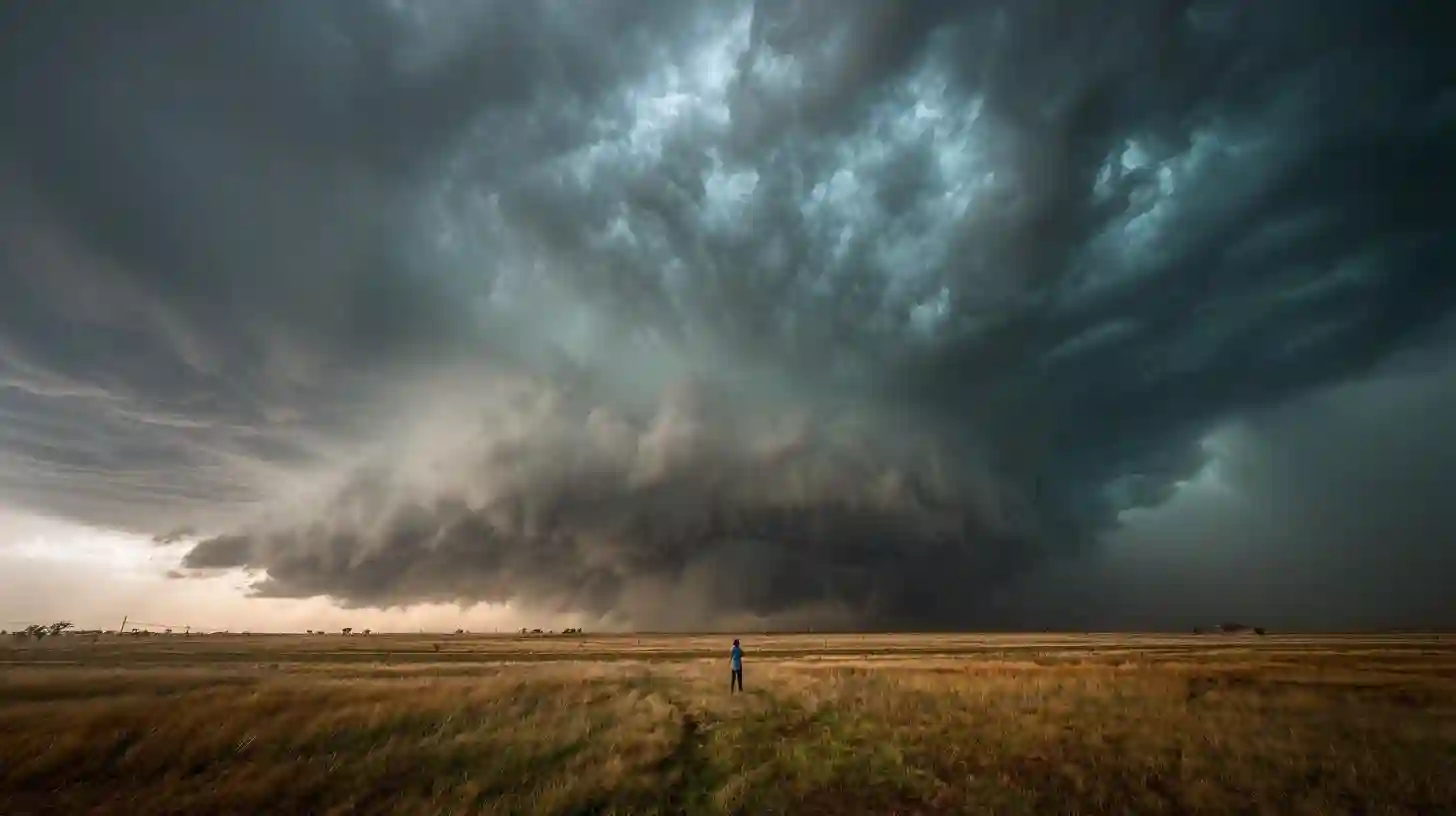
Storm chasing is not simply a hobby but a pilgrimage into the heart of the atmosphere, a practice that threads together curiosity about weather with the craft of observation, the skill of safe driving, and a deep reverence for the power that moves across the plains and along the coast. It begins with a question about how the sky can shift from ordinary to extraordinary in a span of moments, how a horizon can darken into a wall of rain and light and how a single storm can reframe the way a person sees the world. The chaser, whether a student of meteorology, a photographer chasing color and drama, or a storyteller eager to bring wind and cloud to the field of view, learns to read signals in the air as credibly as a sailor reads the wind at sea. In the margin of a forecast, there is a sense of possibility, a mapping of routes and stops where storms may form and where the best vantage points might lie, all conducted with a quiet sense of patience that stands in contrast to the flash of glamour that often accompanies storms on screen. The chase is a discipline of noticing: a shelf cloud sliding across a landscape, a gust front brewing ahead of a storm, a rain curtain that turns the world into a veil, a lowering in the sky that hints at rotation without declaring it, a glow around the horizon as the sun sinks behind a cloud mass, and a distant rumble that grows into a voice the chaser can hear through a helmet of radio static and the murmur of the vehicle’s engine. Equipment becomes an extension of perception, a montage of lightweight cameras, sturdy tripods, rugged laptops, and a wire network that keeps weather models, radar scans, and maps in living animation inside the vehicle, while the windshield serves as a pane through which the landscape of possibility is scanned with every mile traveled. The craft invites improvisation, because the weather does not submit to a schedule, and the best moments often arrive when plans yield to the stubborn reality of air masses colliding, moisture lifting, and the invisible engine of updrafts lifting everything in the air toward the limit of the storm’s energy. To witness a thunderstorm is to witness a theater where light and sound fuse with wind, where hail dances like frozen grapes against the metal of the car, where rain pelts with a drumbeat that becomes a rhythm guiding the eye to the moment a tornado might appear or vanish, and where the drama is not only in the visible spectacle but in the way the landscape responds to force, as trees bend and fields ripple with the momentum of what the sky has become. The chaser learns to balance thrill with responsibility, for the weather demands respect and the road demands prudence, and the decision to pause, to retreat, or to linger can be a choice that keeps a person safe while preserving the chance to learn something new from the storm’s behavior. There is a social fabric to storm chasing as well, a community of people who share forecasts, swap stories, critique footage with a gentle insistence on accuracy, and celebrate the quiet and often unglamorous moments of steady practice: the moment when a forecast aligns with the day’s reality, the patience to observe from a safe distance while a landscape becomes a canvas of motion, and the humility that comes from knowing that nature does not bend to human will. Weather science, in this light, is not a distant theory but a living conversation with the atmosphere, an ongoing attempt to translate signals from satellites, radar, and weather stations into a narrative that explains how and why storms form, what sustains them, and how they finally fade into a memory painted in cloud textures and the ache of a sunlit horizon after the storm has moved on. The best stories a chaser carries are not simply of dramatic encounters with a tornado or a wall cloud but of the quiet moments when the world returns to calm, the air cools after a gust, and the crew exchanges notes about what was learned, how the forecast could be improved, and how the experience reshapes the way each listener attends to the weather’s language. In the end, the practice of storm chasing is less about conquering weather than about translating its language into understanding, channeling energy into observation, and bearing witness to a force that reminds humanity of its smallness while inviting a careful, generous curiosity. It is a road trip through weather’s text, a long conversation with the sky, and a reminder that the most powerful things in nature can be awe inspiring without needing to be feared, a revelation that invites one to stay curious, stay safe, and keep listening to the story the atmosphere wants to tell through light and storm.